Counter-Strike 2 in 2026: Evolving a Modern Classic
Gaming, Counter-Strike 2, Esports
Counter-Strike 2 in 2026: How Valve Is Evolving a Modern Classic
Counter-Strike 2 (CS2) has moved well beyond “new release” status. In 2026, it’s a constantly evolving live game, powered by frequent updates, a huge player base, and record-breaking esports events—alongside ongoing debates about cheating, skins, and balance.
A Live Service Shooter With Millions of Players
Counter-Strike has always been about tight, round-based gunfights. CS2 keeps that core, but runs it on the Source 2 engine with sub-tick architecture, responsive volumetric smokes, updated maps, and a modern performance-based CS Rating system (counter-strike.net). The result is a game that feels familiar yet noticeably sharper and more reactive.
That formula is clearly working. Across 2026, CS2 has consistently sat near the top of Steam’s charts, with around 1.1 million concurrent players online and 30‑day peaks of roughly 1.45 million players (playerstats.gg, steamstatistics.com). In other words, CS2 isn’t just surviving—it’s thriving.
What’s New in CS2 Gameplay in 2026?
Throughout 2026, Valve has layered new mechanics and modes on top of CS2’s foundation, while tuning long‑time systems like reloading and grenades to match the faster, more readable style of modern Counter‑Strike.
Smarter Reloads and Quieter Snipers
In March 2026, Valve overhauled the reload system so that leftover bullets in a magazine are discarded, and players can now see a clear magazine fill indicator (counter-strike.net). This change rewards careful ammo management and punishes mindless reload spamming, especially in clutch moments.
Later in the year, Valve added silent reloads: hold the reload key and you reload more quietly but more slowly. Sniper rifles also no longer play a sound when you unscope (counter-strike.net). Together, these tweaks deepen the mind‑games around sound—still one of CS2’s most important “weapons.”
Rush Mode: Counter-Strike in Bite‑Sized Rounds
One of 2026’s biggest additions is Rush, a fast‑paced 3v3 mode introduced in September. Instead of long, economy‑driven halves, Rush drops players into small, randomized arenas where teams either fight to control a tower or eliminate each other (counter-strike.net). It’s CS2 distilled: short, intense rounds that fit into a lunch break.
Valve hasn’t treated Rush as a throwaway side mode either. A day after launch, the studio adjusted countdown timers, reduced warmup and freeze times, and fixed clipping and geometry issues across Rush maps (counter-strike.net). That rapid iteration suggests Rush is meant to be a long‑term pillar for more casual, drop‑in play.
Premier Mode and Map Selection Evolve
On the competitive side, Premier mode—the ranked heart of CS2—received a notable map selection revamp in September 2026. Now, Team 1 chooses one map, Team 2 chooses two, and Team 1 selects a final map. One of these four is then randomly picked to start the match (counter-strike.net). The idea is to keep vetoes strategic while reducing repetitive first maps and predictability.
October 2026: Small Patches, Big Quality-of-Life Gains
October 2026 is a good snapshot of how Valve currently treats CS2: frequent, focused patches that polish the experience rather than rewriting it from scratch. Four updates—on October 2, 5, 8, and 14—touched everything from visuals to demos (steamdb.info).
October 2: Agents now show their equipped gloves in the photobooth and buy menu, grenade crosshair issues at thicker settings were fixed, Warehouse lighting improved, and new crosshair settings were added to the workshop whitelist (counter-strike.net).
October 5: The play menu gained buttons to manage downloaded Workshop maps, pet photobook pages got localized text art, and shader cache flags were tuned for Vulkan performance (counter-strike.net).
October 8: A new ping icon for dropped defuse kits makes it easier to keep track of crucial utility; the AUG’s reload time was trimmed by half a second, demo sound bugs were fixed, and Rush maps received clipping clean‑ups (steamdb.info).
October 14: The demo viewer gained a download progress bar, better camera controls, and more reliable scrubbing; AUG reload animations were synced to their new timings; and Vulkan renderer stability was improved (counter-strike.net).
💡 Pro Tip: If you watch demos or create content, the upgraded replay tools and Vulkan stability tweaks from October 2026 make CS2 far smoother for reviewing matches and capturing highlights.
Esports Highs, Community Frustrations
On the big stage, CS2 is in a golden era. The IEM Cologne Major 2026 drew more than 2.75 million peak viewers, the highest in Counter‑Strike history (escharts.com). Team Falcons claimed their first Major title with a 3‑0 win over FURIA, cementing a new era of rivalries and storylines.
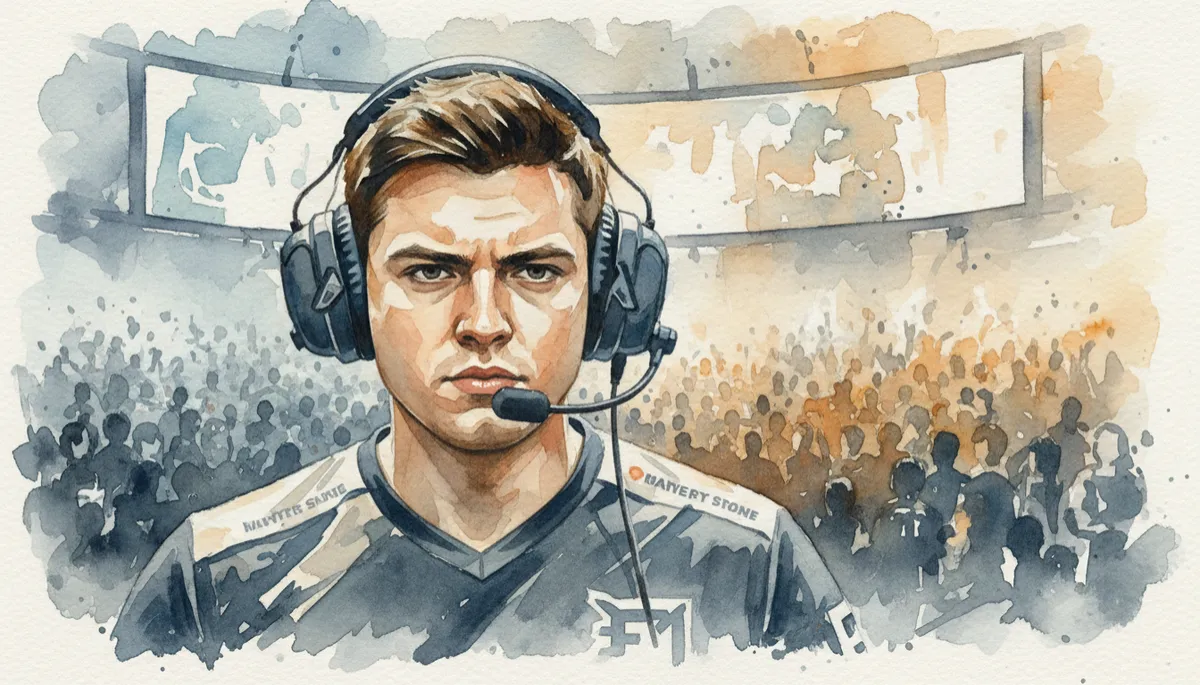
CS2 Majors now pull in millions of viewers, elevating new teams to global fame.
Yet at the everyday player level, the picture is more complicated. Community reviews and forum threads throughout 2026 have been dominated by anti‑cheat complaints. Some players describe matchmaking as a “cesspool of cheaters,” and negative reviews surged after key updates like the July 20 patch (afterpat.ch, gameq.co).
At the same time, CS2’s economy has ridden out its own turbulence. A major 2025 overhaul crashed the skin market from about US$5.9 billion to US$3.5 billion in days, but by 2026 it had largely recovered to around US$5.6 billion, with recent months showing relatively stable prices (poder360.com.br, steamanalyst.com). For many players, skins remain both a cosmetic hobby and a serious investment.
Creativity, Modding, and the Future of Fair Play
Beyond official patches, CS2’s Source 2 base and workshop tools have fueled a wave of creative projects. Mods like “Project Misriah” reimagine Halo‑style multiplayer inside CS2, showing just how flexible the engine and scripting tools have become (windowscentral.com). Valve has steadily expanded these tools with new events, HUD scripting, and camera controls throughout 2026, giving mapmakers and modders more freedom than ever.
On the research side, academics are even using CS2 demos to explore behavior‑based anti‑cheat. One recent study showed that it’s possible to tell whether two demos belong to the same player with high accuracy (AUC 0.931) based on movement and crosshair patterns (arxiv.org). If ideas like this make their way into commercial tools, future CS2 updates could tackle cheating in ways that go far beyond simple ban waves.
Where CS2 Stands Now—and What It Means for Players
In late 2026, Counter‑Strike 2 is a study in contrasts. On one hand, it boasts a massive, stable player base, thriving esports, and a steady drumbeat of updates that refine everything from reload animations to demo tools. On the other, it faces persistent pressure to improve competitive integrity and rebuild trust around matchmaking and anti‑cheat enforcement.
For everyday players, the takeaway is simple: CS2 is worth paying attention to again and again. New modes like Rush, smarter map selection in Premier, visual polish, and behind‑the‑scenes engine work keep the game feeling fresh. If Valve can pair that pace of innovation with more convincing answers to cheating and toxicity, Counter‑Strike 2 is well‑positioned to remain the defining competitive FPS of this decade.


