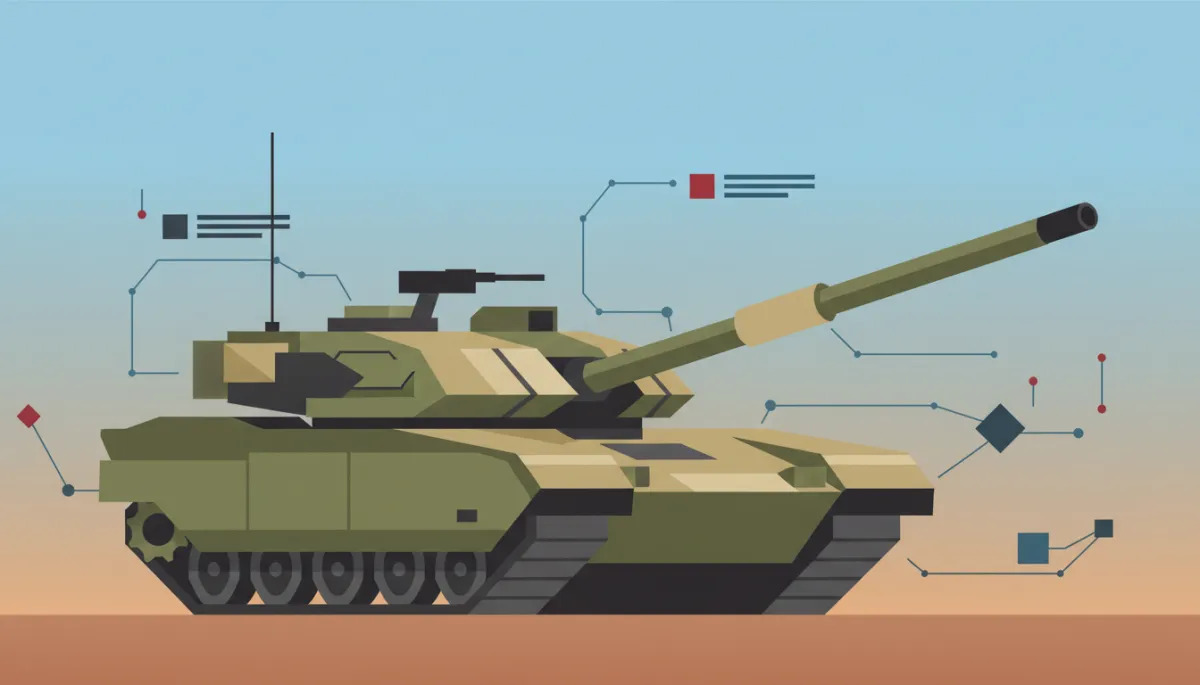
Tanks: Evolution, Capabilities & Modern Relevance
Defense, Armored Vehicles
Tanks: Evolution, Capabilities, and Modern Relevance
Tanks remain among the most recognizable symbols of modern land warfare. Beyond their imposing silhouettes, they represent a complex fusion of engineering, strategy, and protection. This article offers a concise, professional overview of how tanks evolved, what defines their core capabilities, and why they continue to matter in contemporary defense planning.
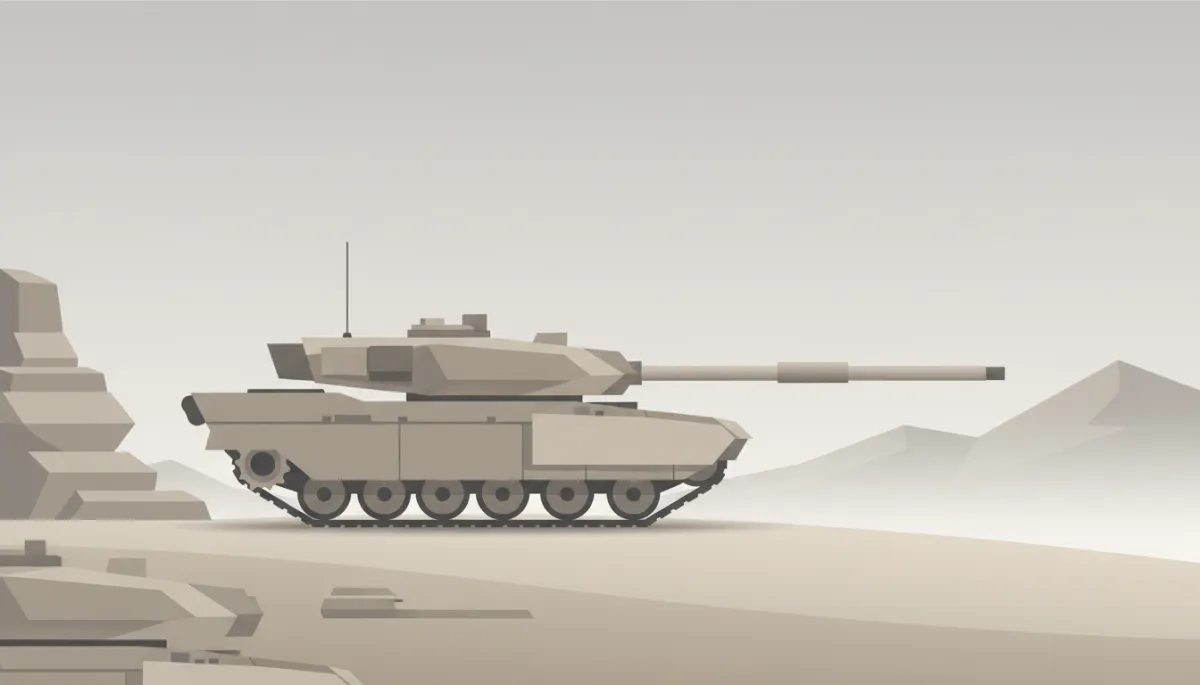
From Early Armor to Main Battle Tanks
Tanks first appeared during the First World War as a response to trench warfare and static front lines. Early designs were slow, mechanically unreliable, and lightly armored, yet they proved the value of a protected, mobile gun platform. Through the Second World War and the Cold War, tank design matured rapidly, leading to the concept of the main battle tank (MBT)—a single, versatile platform combining heavy firepower, robust armor, and cross‑country mobility.
Core Capabilities: Firepower, Protection, Mobility
Modern tanks are defined by three interdependent capabilities. Firepower is delivered primarily through a large‑caliber main gun capable of engaging armored vehicles, fortifications, and, with appropriate ammunition, low‑flying aircraft or helicopters. Advanced fire‑control systems, thermal sights, and laser rangefinders increase accuracy in day and night conditions.
Protection encompasses thick composite armor, modular add‑on packages, and, increasingly, active protection systems that detect and attempt to intercept incoming threats. Internally, crew survivability is enhanced through compartmentalization, fire suppression, and ammunition storage designed to vent explosions away from personnel whenever possible.
Mobility allows tanks to maneuver across varied terrain, from open deserts to urban environments. Powerful engines, sophisticated suspensions, and tracked running gear provide the ability to reposition quickly, exploit breakthroughs, and respond to emerging threats. Strategic mobility—how easily tanks can be transported by rail, ship, or air—also plays a significant role in force planning.
Tanks in the Modern Battlefield
The rise of precision‑guided munitions, drones, and advanced anti‑tank weapons has prompted debate about the long‑term future of tanks. Nonetheless, many armed forces continue to invest in upgraded platforms, improved protection systems, and networked sensors. When employed as part of a combined‑arms approach—integrating infantry, artillery, engineers, and air support—tanks still provide decisive shock effect, psychological impact, and resilient firepower.
Looking ahead, the next generation of tanks is likely to incorporate hybrid powertrains, greater automation, and closer integration with unmanned systems. While their exact form may evolve, tanks are poised to remain a central tool for militaries seeking to project protected, mobile combat power on the ground.
